Creating a cozy and productive home office space is essential for anyone working or studying from home. A well-designed workspace can improve focus, reduce stress, and make long hours more enjoyable. Whether you have a dedicated room or a small corner in your living space, you can transform it into a space that supports both your comfort and efficiency.
Choose the Right Location
Selecting the right spot for your home office is the first step to setting up a successful workspace.
– Natural light: Aim for a space with plenty of natural light. Sunlight boosts mood and reduces eye strain. Position your desk near a window if possible.
– Quiet environment: Look for a quiet area where you can concentrate with minimal distractions.
– Distance from distractions: Avoid placing your workspace near noisy appliances or in high-traffic areas.
Invest in Ergonomic Furniture
Comfort with proper support contributes directly to your productivity and well-being.
– Desk: Choose a desk that fits your space and meets your functional needs, with enough surface area for your computer, notebooks, and workspace essentials.
– Chair: Invest in an ergonomic chair that supports your lower back and encourages good posture.
– Adjustability: Consider desks or chairs that allow height adjustment to avoid strain.
Organize Your Workspace Efficiently
An organized workspace reduces clutter, helping your mind stay clear and focused.
– Storage solutions: Use shelves, drawers, and organizers to keep supplies neatly stored but easily accessible.
– Cable management: Keep cords tidy with clips or cable organizers to avoid mess and distractions.
– Minimalism: Keep only items on your desk that you use daily to maintain a clean work surface.
Personalize for Comfort and Motivation
Adding personal touches can make your office space more inviting and inspire creativity.
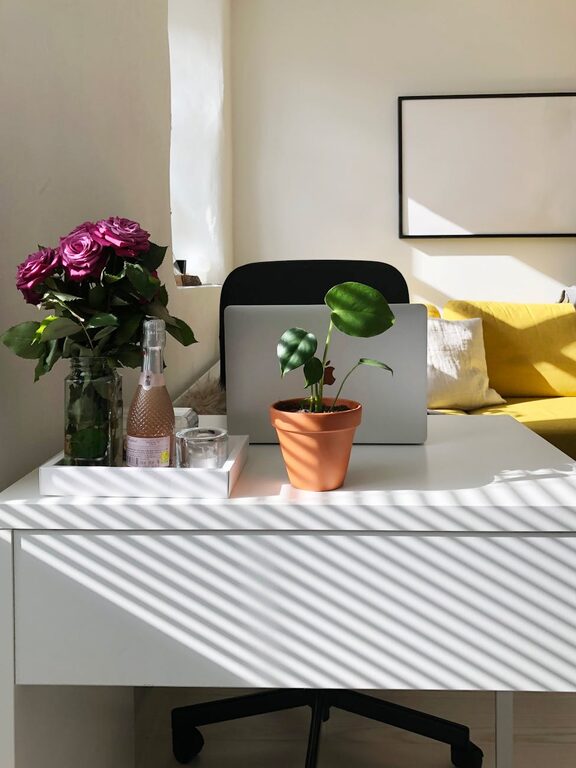
– Decor: Include artwork, plants, or objects that make you smile and keep you motivated.
– Colors: Choose soothing colors like soft blues, greens, or neutrals, which can promote calm and concentration.
– Lighting: Use adjustable desk lamps with warm light to complement natural lighting and avoid harsh glare.
Manage Noise and Distractions
Maintaining focus is easier in a quiet, controlled environment.
– Noise-cancelling headphones: These can help block out background noise.
– Soft background sounds: Consider gentle white noise or instrumental music if it helps your concentration.
– Set boundaries: Communicate your work hours to family or roommates to minimize interruptions.
Keep Essential Tools Handy
Having everything you need within reach saves time and reduces frustration.
– Tech essentials: Ensure your computer, printer, and internet connection are reliable.
– Office supplies: Keep pens, notebooks, chargers, and other daily tools nearby.
– Planning aids: Use a planner, calendar, or digital apps to organize tasks and deadlines.
Incorporate Break Areas and Movement
Your workspace should encourage healthy habits and breaks to maintain energy.
– Break space: If possible, have a nearby area to step away for a few minutes to stretch or relax.
– Movement: Integrate a standing desk converter or take short walking breaks to avoid stiffness.
– Plants: Adding greenery not only brightens the space but can also improve air quality.
Maintain Regular Cleaning and Upkeep
A tidy space supports productivity and comfort.
– Daily tidying: Spend a few minutes each day to clear your desk and organize papers.
– Deep cleaning: Schedule weekly cleaning to dust, vacuum, and refresh your workspace.
– Review and update: Periodically reassess your setup to make sure it continues to meet your needs.
—
By following these tips, you can create a home office space that feels cozy and supports your productivity. Remember that your workspace should reflect your personal preferences while promoting good habits and comfort. A thoughtful setup can make working from home a more pleasant and effective experience.