Creating a cozy and inviting home workspace is essential for maintaining productivity and comfort while working remotely. A well-designed area not only enhances focus but also boosts motivation and reduces stress. Whether you have a dedicated room or a small corner, these tips will help you transform your space into a welcoming and functional environment.
Choose the Right Location
Selecting the right spot in your home is a crucial first step. Ideally, find a quiet area with minimal distractions. Natural light is a major plus, so try to position your desk near a window if possible. Good lighting can improve your mood and reduce eye strain.
If a separate room isn’t available, carve out a specific corner in a common area where you can consistently work. Using room dividers or curtains can help define the space and block distractions.
Invest in Comfortable Furniture
Comfort plays a big role in productivity. Invest in a good ergonomic chair that supports your back and encourages good posture. A desk at the right height is also important to avoid strain on your wrists and shoulders.
If space allows, choose a desk with enough surface area to keep essentials organized but not cluttered. Adjustable desks that let you alternate between sitting and standing are great for health and comfort.
Personalize Your Space
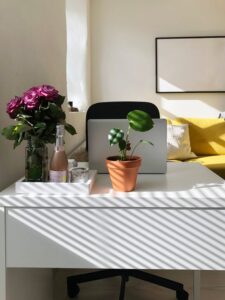
Adding personal touches makes your workspace feel inviting and uniquely yours. Decorate with artwork, plants, or photos that inspire you. Choose colors that create a calming atmosphere—soft blues, greens, or warm neutrals work well.
Use decorative storage solutions like baskets or stylish boxes to keep supplies tidy. A cozy rug under your desk can also add warmth to the space.
Organize for Efficiency
A clutter-free workspace helps reduce distractions and keeps you focused. Use drawer organizers, shelves, and filing systems to keep documents and tools in order.
Set up your computer, printer, and other equipment so they’re easy to access without overcrowding your desk. Cable management solutions, like clips or sleeves, help keep cords neat.
Optimize Lighting
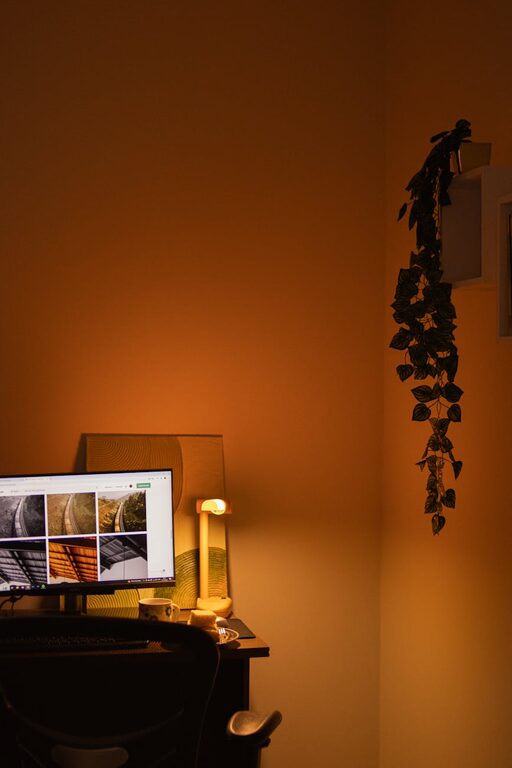
In addition to natural light, make sure your workspace has good artificial lighting. Use a desk lamp with adjustable brightness and position it to avoid glare on your computer screen.
Warm light bulbs provide a cozy feel, while cooler bulbs can enhance alertness. Consider combining different types of light sources for flexibility.
Add Comfort Elements
Small comforts can make a big difference. Keep a soft blanket or cushion nearby for chillier days. Use noise-canceling headphones or play soft background music to minimize distractions.
A water bottle or cup for tea or coffee can help you stay hydrated and comfortable throughout the day.
Establish Boundaries and Routine
Creating a designated work area helps separate work from home life. When you’re in your workspace, it signals your brain it’s time to focus.
Set regular work hours and build routines around your environment. At the end of the day, tidy your desk and power down electronics to create a clear break.
Maintain Air Quality and Freshness
Good ventilation can improve your concentration and overall wellbeing. Open windows when possible for fresh air or use an air purifier.
Adding air-purifying plants like snake plants or pothos improves air quality and adds a natural, inviting touch.
—
By thoughtfully designing your home workspace with comfort and functionality in mind, you’ll create an environment that supports productivity and reduces stress. Small changes can make a big impact, turning your work area into a cozy and inspiring place to be each day.